Avoid These 5 RV Camping Mistakes to Ensure a Perfect Lake Vacation
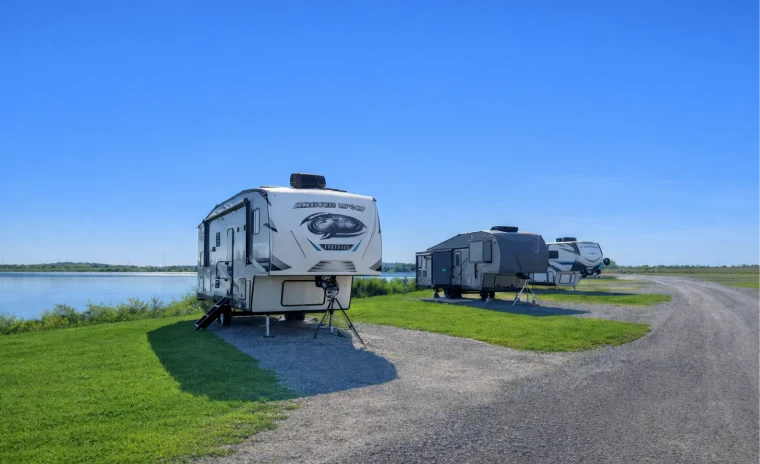
Arriving Without a Confirmed Reservation at Lakeside RV Parks
One of the most disruptive mistakes RV travelers make is assuming they can secure a waterfront site upon arrival, especially during summer weekends and holiday periods. Many families drive hours to reach their destination only to discover every convenient hookup rv site has been claimed days or weeks in advance.
This problem intensifies at popular lakeside locations across Iowa, Kansas, and Missouri, where demand for waterfront recreation peaks between Memorial Day and Labor Day. Without a confirmed reservation, you may face a choice between settling for a site with limited amenities, parking in an overflow area without hookups, or driving another hour to find availability elsewhere. This wastes precious vacation time and creates unnecessary stress before your trip even begins.
To avoid this scenario, book your stay at least three to four weeks ahead for summer travel. If you are planning a spontaneous trip, call the rv park directly rather than relying solely on online availability, as some sites maintain a waitlist or can accommodate last-minute arrivals based on cancellations. Confirm your site number, hookup type (30-amp versus 50-amp), and any specific amenities you require, such as sewer connections or Wi-Fi access (Guests have access to an on-site dump station, with scheduled holding-tank pumping available separately). Our reservations team can guide you through site selection to match your rig size and preferences, ensuring your lakeside getaway starts smoothly from the moment you arrive.
Overlooking Your RV’s Power and Utility Requirements
Many campers assume all RV pad sites are created equal, but mismatched electrical service can leave you without air conditioning, refrigeration, or the ability to run essential appliances. Attempting to plug a 50-amp motorhome into a 30-amp outlet using an adapter may trip breakers repeatedly or, worse, damage your RV’s electrical system. This mistake becomes particularly costly during hot summer days when cooling systems draw maximum power.
Before you book, verify whether the site offers 30-amp, 50-amp, or both types of service. If your RV requires 50-amp power but the site provides only 30-amp hookups, you will need to manage your electrical load carefully, turning off high-draw appliances like air conditioners or electric water heaters simultaneously. Similarly, confirm that water and sewer connections are included (Guests have access to an on-site dump station, with scheduled holding-tank pumping available separately). Some family friendly rv parks offer partial hookups with only electric and water, requiring you to use dump stations for waste disposal.
Ask specific questions when you reserve: Ask about electric, water, and sewer. What amperage is available? Are adapters provided, or should you bring your own? Arriving prepared with the correct adapters, surge protectors, and extension cords prevents frustration and keeps your vacation on track. Our sites are equipped with clearly labeled hookups and staff available to assist with connections, so you can focus on enjoying the lake recreation area rather than troubleshooting utilities (Guests have access to an on-site dump station, with scheduled holding-tank pumping available separately).
Underestimating Rapid Climate Shifts Near Open Water
Lake environments create unique microclimates that catch unprepared campers off guard. Temperatures near open water can drop 15 to 20 degrees after sunset, even during midsummer. Morning fog, sudden afternoon thunderstorms, and gusty winds off the water are common in Iowa and surrounding regions. Travelers who pack only for warm, sunny days often find themselves scrambling for extra blankets, rain gear, or ways to secure awnings and outdoor furniture.
This oversight becomes especially problematic if you are camping in a travel trailer or pop-up without robust climate control. A cold snap can make sleeping uncomfortable, while unexpected rain can flood improperly graded sites or soak gear left outside. Wind gusts can damage awnings, tip lightweight chairs, and even rock smaller RVs if stabilizers are not deployed correctly.
Check the extended forecast before you depart, and pack layers, waterproof jackets, and extra bedding regardless of the summer heat. Inspect your RV’s weatherstripping, window seals, and roof vents to prevent leaks during storms. Stake down awnings securely or retract them if wind is forecasted. If you are staying at a year round rv camping facility, inquire about seasonal weather patterns and what amenities are available to keep you comfortable during temperature swings. Our waterfront rv camping sites are designed with drainage and wind protection in mind, and our staff monitors weather alerts to help guests prepare for changing conditions.
Skipping Pre-Trip Checks on Tanks, Pumps, and Filters
Few things derail a lakeside getaway faster than discovering your fresh water pump has failed, your water heater will not ignite, or your holding tanks are not draining properly. Many RV owners skip routine system checks before departure, assuming everything will function as it did on the last trip. Unfortunately, seals dry out, filters clog, and pumps corrode during storage, especially if the RV sat unused for weeks or months.
Water issues become especially frustrating when you arrive at a site and realize you cannot shower, wash dishes, or flush toilets. Even if you have access to city water hookups, internal plumbing problems can leave you without hot water or create leaks inside your RV. These malfunctions waste time you could spend fishing, swimming, or exploring the lake recreation area, and they often require professional repairs if you lack the tools or knowledge to troubleshoot on-site.
Before you leave home, run your fresh water pump and check for consistent pressure. Inspect all faucets, the shower, and the toilet for leaks or weak flow. Test your water heater on both electric and propane settings. Flush and sanitize your fresh water tank if it has been sitting idle, and verify that gray and black tank valves open and close smoothly. Replace any worn or outdated filters. If you discover a problem during this inspection, you will have time to repair it before your trip. Our convenient hookup sites provide reliable city water connections, but arriving with a well-maintained system ensures you can enjoy rv park amenities without interruption.
Loading Your RV Without a Prioritized Packing Strategy
It is tempting to pack everything you think you might need for a lake vacation, but overloading your RV creates safety hazards, reduces fuel efficiency, and clutters your living space. Many travelers bring excessive clothing, duplicate kitchen items, bulky outdoor toys, and equipment they never use. This not only exceeds your RV’s weight rating but also makes it difficult to locate essentials when you need them. Conversely, underpacking critical items like leveling blocks, sewer hoses, or first aid supplies forces last-minute store runs that cut into your relaxation time.
The key is to pack strategically based on the specific activities you have planned and the amenities your destination provides. If your rv park offers fishing access, a swimming area, and picnic facilities, you can leave oversized inflatables and portable grills at home. Prioritize versatile clothing, a compact toolkit, and items that enhance comfort without adding unnecessary bulk. Create a checklist organized by category: utilities and hookups, kitchen essentials, outdoor recreation, safety and maintenance, and personal items.
Weigh your RV before and after loading to ensure you stay within manufacturer specifications. Store heavy items low and centered to maintain stability. Keep frequently used gear accessible near the door. If you are traveling with children, limit toys to a few favorites rather than packing entire collections. Our lakeside rv camping location provides easy access to local stores and marinas, so you can purchase forgotten items without significant detours. Review our amenities page before you pack to see what is provided on-site, allowing you to travel lighter and more comfortably.