10 Must-Have Essentials for the Ultimate Lake Camping Adventure
Shelter and Sleeping Systems for Lakeside Comfort
Your shelter forms the foundation of every successful lake camping trip. Whether you choose a tent or an RV, your sleeping setup must protect you from the unpredictable weather patterns common across Iowa and the surrounding Midwest during spring and summer camping seasons. Late-afternoon thunderstorms can roll across the plains with little warning, bringing sudden temperature drops and heavy rain that test inadequate shelters.
For tent campers, select a model with a rainfly that extends close to the ground and seam-sealed construction. A footprint or ground tarp adds essential moisture protection, particularly important near lakeshores where morning dew settles heavily on grass and soil. Invest in sleeping bags rated at least 10 degrees below the lowest temperature you anticipate. Even July nights near Hamburg can dip into the upper 50s, leaving unprepared campers shivering in lightweight bags designed for warmer climates.
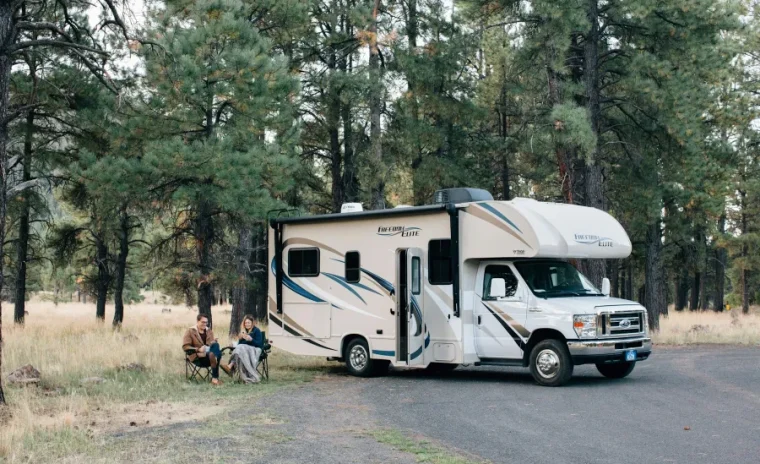
RV campers enjoy significant advantages at lakeside destinations with Electric 20/30/50 & Water Hookups. Climate control systems maintain comfortable temperatures regardless of outside conditions, while solid walls provide security and weather protection that no tent can match. When selecting your RV accommodation, prioritize locations offering waterfront recreation access combined with electrical, water, and sewer connections. These amenities transform your camping experience from roughing it to genuinely enjoying nature without sacrificing basic comforts.
Plan your shelter choice based on the season, your group’s comfort needs, and how much time you intend to spend inside versus exploring the lake recreation area.
Water and Hydration Solutions You Cannot Overlook
Clean drinking water ranks among your most critical resources during any camping adventure. The human body requires approximately one gallon per person per day for drinking and basic hygiene, and that demand increases substantially when you spend hours swimming, fishing, or hiking in warm weather. Many family friendly rv parks and lakeside rv camping locations provide potable water at each site, but tent campers or those in primitive areas must carry sufficient supplies or bring purification equipment.
Bring multiple water containers in different sizes. Large 5-7 gallon jugs serve well for base camp storage, while individual reusable bottles allow each family member to stay hydrated during activities away from your site. Collapsible water carriers save precious packing space and expand when needed. During peak summer months in the Midwest, daytime temperatures regularly climb into the 80s and 90s, making hydration even more essential for anyone spending extended periods outdoors.
Water purification tablets or a quality filtration system provide insurance against running low on clean water. Lake water should never be consumed directly, regardless of how clear it appears. Bacteria, parasites, and agricultural runoff common in Midwestern waterways can cause serious illness. A simple pump filter or UV sterilization pen weighs little and offers protection if your supply runs short unexpectedly.
RV park amenities typically include reliable freshwater connections that eliminate these concerns entirely. When your rig connects to a dedicated water line, you enjoy unlimited access for cooking, cleaning, and drinking without rationing or hauling heavy containers. This convenience allows you to focus energy on enjoying waterfront recreation rather than managing basic survival needs.
Lighting and Power Systems for Safety and Convenience
Once the sun sets over the lake, proper lighting transforms from convenience to necessity for safety and enjoyment. Quality illumination allows you to navigate safely between your shelter and facilities, prepare meals, and enjoy evening activities without stumbling through darkness. Bring multiple light sources serving different purposes rather than relying on a single solution.
A hands-free headlamp provides the most versatility for tasks requiring both hands, whether you are setting up a tent in fading daylight or preparing a late dinner. LED lanterns offer ambient lighting for communal areas and inside shelters, with battery-powered or rechargeable models offering 10-30 hours of runtime on a single charge. String lights add atmosphere around your campsite while improving visibility along pathways. In areas without electrical hookups, solar-powered stake lights mark tent lines and walkways, charging during the day and illuminating automatically after dark.
Power management becomes essential during multi-day trips. Pack extra batteries in various sizes to match all your devices, or invest in rechargeable batteries with a solar charger. Portable power banks keep phones and tablets operational for emergencies, navigation, and capturing memories. During spring and fall camping seasons in Iowa, when daylight hours shrink and temperatures drop earlier, you will spend more time relying on artificial lighting than during long summer evenings.
Campers staying at year round rv camping facilities with electrical hookups eliminate most power concerns. Standard 30-amp or 50-amp service powers all your RV systems simultaneously, from interior lighting to appliances and device charging, without rationing battery reserves or running generators that disturb the natural quiet.
Safety and Emergency Preparedness Gear
No camping trip should begin without proper safety equipment and emergency supplies. Lakes present unique hazards beyond those found in typical campgrounds, from sudden weather changes sweeping across open water to drowning risks for swimmers and boaters. A well-stocked first aid kit addresses common injuries like cuts, burns, insect bites, and sprains. Include any prescription medications your group requires, along with over-the-counter pain relievers, antihistamines for allergic reactions, and anti-diarrheal medication.
Life jackets represent non-negotiable equipment for every person planning water activities. Even strong swimmers can struggle against unexpected currents or become exhausted during extended swimming sessions. Children especially require properly fitted Coast Guard-approved flotation devices anytime they venture near the water. Store these items where they remain immediately accessible, not buried in a storage compartment requiring five minutes to retrieve during an emergency.
Weather awareness systems protect against one of the most dangerous aspects of Midwest lake camping. Severe thunderstorms develop rapidly during spring and summer months, bringing lightning, damaging winds, and occasionally tornadoes to areas that appeared calm an hour earlier. A weather radio with NOAA alerts or a smartphone with reliable service provides advance warning to seek shelter. Many experienced campers also monitor changing cloud formations and wind patterns as natural indicators of approaching storms.
A basic emergency kit should include a whistle for signaling, waterproof matches or a reliable lighter, a multi-tool, rope, duct tape, and a flashlight dedicated solely to emergency use. Keep a printed list of local emergency contacts and the nearest medical facilities, since cell service near rural lake areas can be unreliable. Knowledge of your location’s exact address or coordinates helps emergency responders reach you quickly if needed.
Cooking and Food Storage Essentials for Outdoor Dining
Preparing and preserving food outdoors requires different equipment than your home kitchen. A reliable camp stove serves as the centerpiece of your cooking setup, with two-burner propane models offering the best balance of cooking capacity, fuel efficiency, and portability. Bring adequate fuel for your entire trip plus extra, since cold mornings and windy conditions consume more propane than calm, warm weather cooking. A basic mess kit including pots, pans, plates, bowls, and utensils keeps food preparation organized, while biodegradable soap and scrubbers handle cleanup without harming the lake environment.
Food storage presents special challenges in outdoor settings. Quality coolers maintain safe food temperatures and prevent spoilage, but proper packing technique matters as much as the cooler itself. Block ice lasts significantly longer than cubes, and pre-chilling your cooler before loading food improves ice retention. Keep raw meats separated from ready-to-eat items to prevent cross-contamination. During hot Iowa summers when afternoon temperatures regularly exceed 85 degrees, cooler contents can reach unsafe temperatures within hours if the lid opens frequently or the unit sits in direct sunlight.
Plan meals requiring minimal refrigeration for later in your trip, when ice supplies dwindle. Canned goods, dried foods, and shelf-stable items reduce your dependence on cooler space while providing reliable nutrition throughout your stay. Airtight containers protect dry goods from moisture and prevent spills inside your vehicle or storage areas. A collapsible sink or large basin simplifies dish washing and food preparation, especially at sites without dedicated cleaning facilities.
RV sites with 20-, 30-, or 50-amp electric service and water hookups provide added convenience, allowing campers to operate compatible appliances and onboard systems without relying solely on batteries, generators, or stored water. Available power and appliance operation will vary depending on the RV and hookup amperage. These amenities make it easier to prepare full meals and keep perishable food safely refrigerated, providing more comfort and convenience than traditional camping while reducing reliance on coolers and ice.